
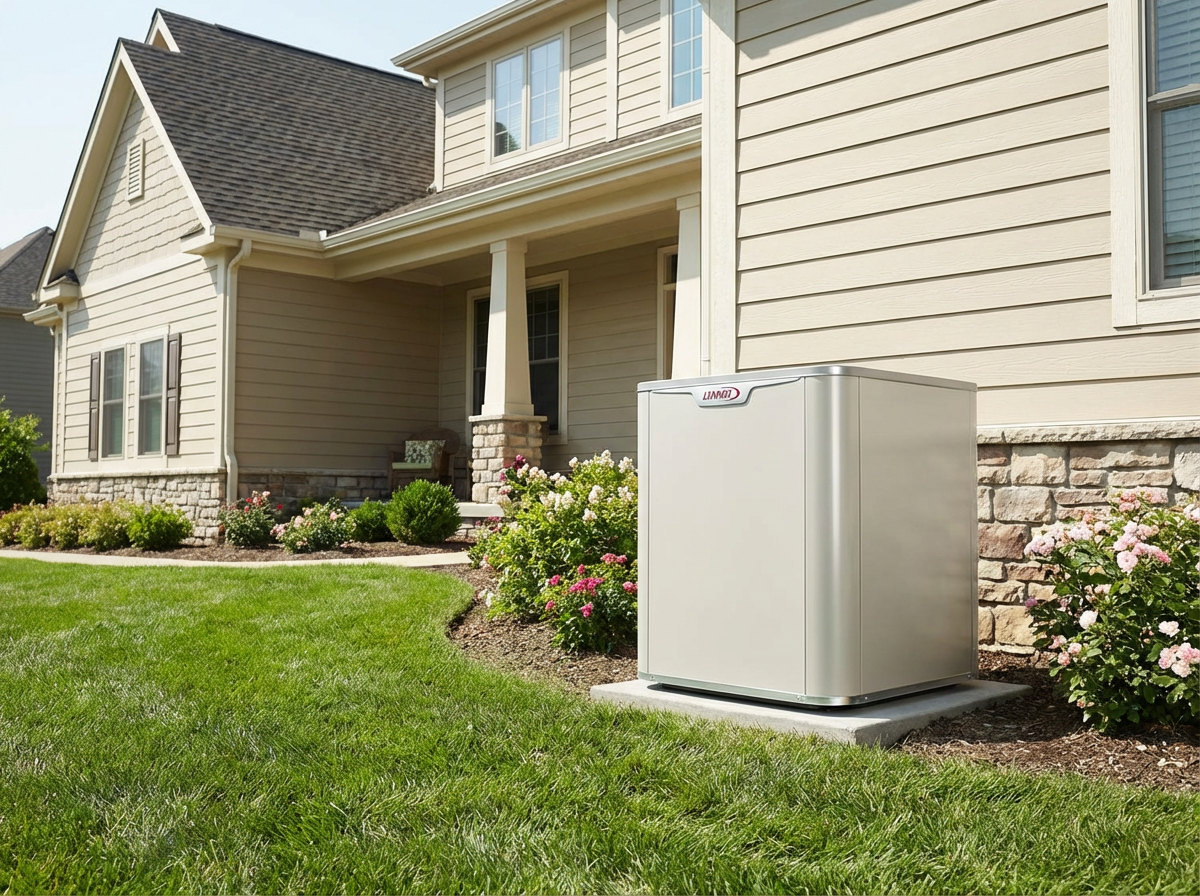
A new HVAC system is one of the largest purchases you'll make for your home — typically $5,000 to $15,000. It will affect your comfort, energy bills, and home value for the next 15–20 years. Making the right choice matters. Here's a comprehensive guide to help you navigate the decision.
Step 1: Determine the Right System Type
Central AC + Gas Furnace — The traditional choice. Best for homes with existing gas lines. Provides powerful heating and efficient cooling.
Heat Pump — Provides both heating and cooling in one unit. More efficient than gas for heating in mild climates like Georgia. Best for all-electric homes or homeowners wanting to reduce gas usage.
Dual-Fuel (Heat Pump + Gas Furnace) — The premium option. Uses the heat pump for efficient mild-weather heating and switches to gas for the coldest days. Highest comfort and lowest operating costs.
Ductless Mini-Split — Ideal for homes without ductwork, additions, or supplemental heating/cooling. Each indoor unit controls its own zone.
Step 2: Get Proper Sizing
This is the most critical step, and it's where many contractors cut corners. Proper sizing requires a Manual J load calculation that considers your home's square footage, insulation, windows, orientation, occupancy, and local climate data.
Oversized systems cool quickly but short-cycle, wasting energy and providing poor humidity control. Undersized systems run constantly and can't maintain comfort on extreme days.
Never accept a sizing recommendation based solely on square footage. Demand a load calculation.
Step 3: Choose the Right Efficiency Level
Higher efficiency costs more upfront but saves money over the system's lifetime. For Georgia:
Step 4: Select a Reputable Brand
We install and recommend Carrier, Trane, Lennox, Rheem, and Goodman. All are excellent brands with strong warranties. The brand matters less than the installation quality — a mid-tier brand installed perfectly will outperform a premium brand installed poorly.
Step 5: Choose the Right Contractor
The contractor matters more than the brand. Look for:
Step 6: Understand Your Warranty
Most HVAC systems come with a 10-year parts warranty from the manufacturer. But parts warranties don't cover labor — which can be $500+ for major repairs. Ask about extended labor warranties and what's required to keep your warranty valid (usually annual maintenance).
Step 7: Explore Financing
A new HVAC system is a significant investment, but financing makes it manageable. Ask about 0% interest options, manufacturer rebates, and federal energy efficiency tax credits.
Ready to explore your options? Call All Seasons at (770) 809-1355 for a free in-home HVAC installation consultation. No pressure, no obligation — just honest recommendations. Serving Carrollton, Newnan, Villa Rica, and Douglasville.