
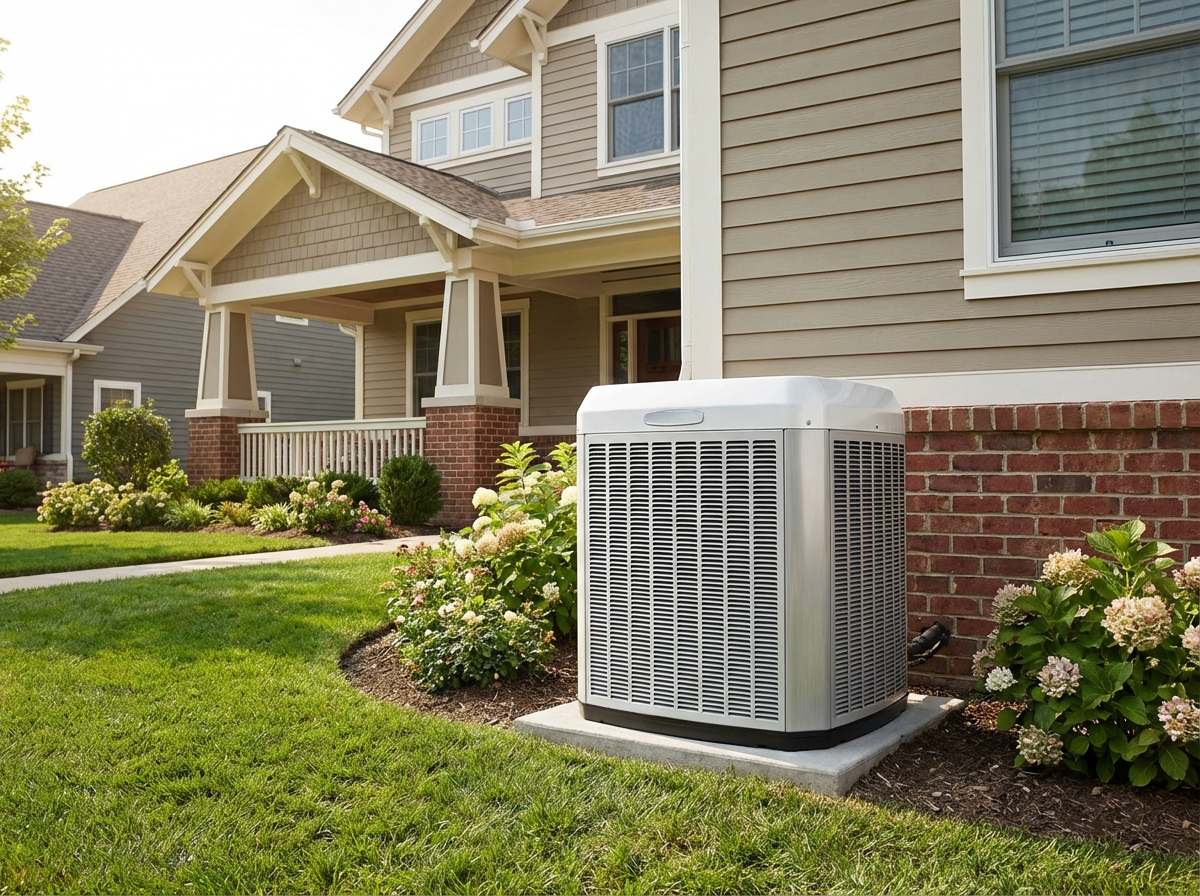
Your air conditioner should run with a steady, low hum. When it starts making unusual noises — banging, squealing, buzzing, or clicking — it's trying to tell you something. Ignoring these sounds often leads to more expensive repairs down the road.
Here's what the most common AC noises mean and when you should call for professional help.
Banging or Clanking
A banging sound from your outdoor unit usually indicates a loose or broken component inside the compressor. It could be a connecting rod, piston pin, or crankshaft. A banging noise from the indoor unit often means a loose blower wheel or motor mount.
Severity: High. A banging compressor can fail completely if not addressed. Turn off your system and call for [AC repair](/ac-repair).
Squealing or Screeching
A high-pitched squeal from the indoor unit typically means a worn blower motor belt or bearing. From the outdoor unit, it often indicates a failing condenser fan motor bearing.
Severity: Medium-High. The component is wearing out and will eventually fail. Schedule service soon to avoid a breakdown during peak summer heat.
Buzzing
Buzzing from the outdoor unit can indicate loose parts, debris in the unit, a failing outdoor fan motor, dirty condenser coils, a refrigerant leak, or loose electrical connections. It's one of the most common — and most varied — AC noises.
Severity: Medium. Some causes are minor, but electrical buzzing can indicate a serious safety issue. Have it inspected.
Clicking
Repeated clicking when your AC tries to start usually points to a failing thermostat, a defective control board, or a bad capacitor. A single click at startup and shutdown is normal — continuous clicking is not.
Severity: Medium. Your system may stop starting altogether if the failing component isn't replaced.
Hissing or Bubbling
A hissing sound near the indoor unit often indicates a refrigerant leak. Bubbling sounds in the refrigerant lines confirm this. Refrigerant leaks reduce cooling capacity and can damage your compressor.
Severity: High. Refrigerant leaks require professional repair. Don't ignore this sound.
Rattling
Rattling usually means loose screws, bolts, or panels. It can also indicate debris (sticks, leaves) inside the outdoor unit. While often minor, persistent rattling can indicate a loose fan blade that could cause damage.
Severity: Low-Medium. Check for loose panels and clear debris. If rattling persists, schedule an inspection.
The Bottom Line
Any new or unusual noise from your AC deserves attention. The sooner you address it, the less likely it is to become a major repair.
Need help diagnosing a noisy AC? All Seasons provides expert AC repair throughout Carrollton, Douglasville, Dallas, and surrounding areas. Call (770) 809-1355.